
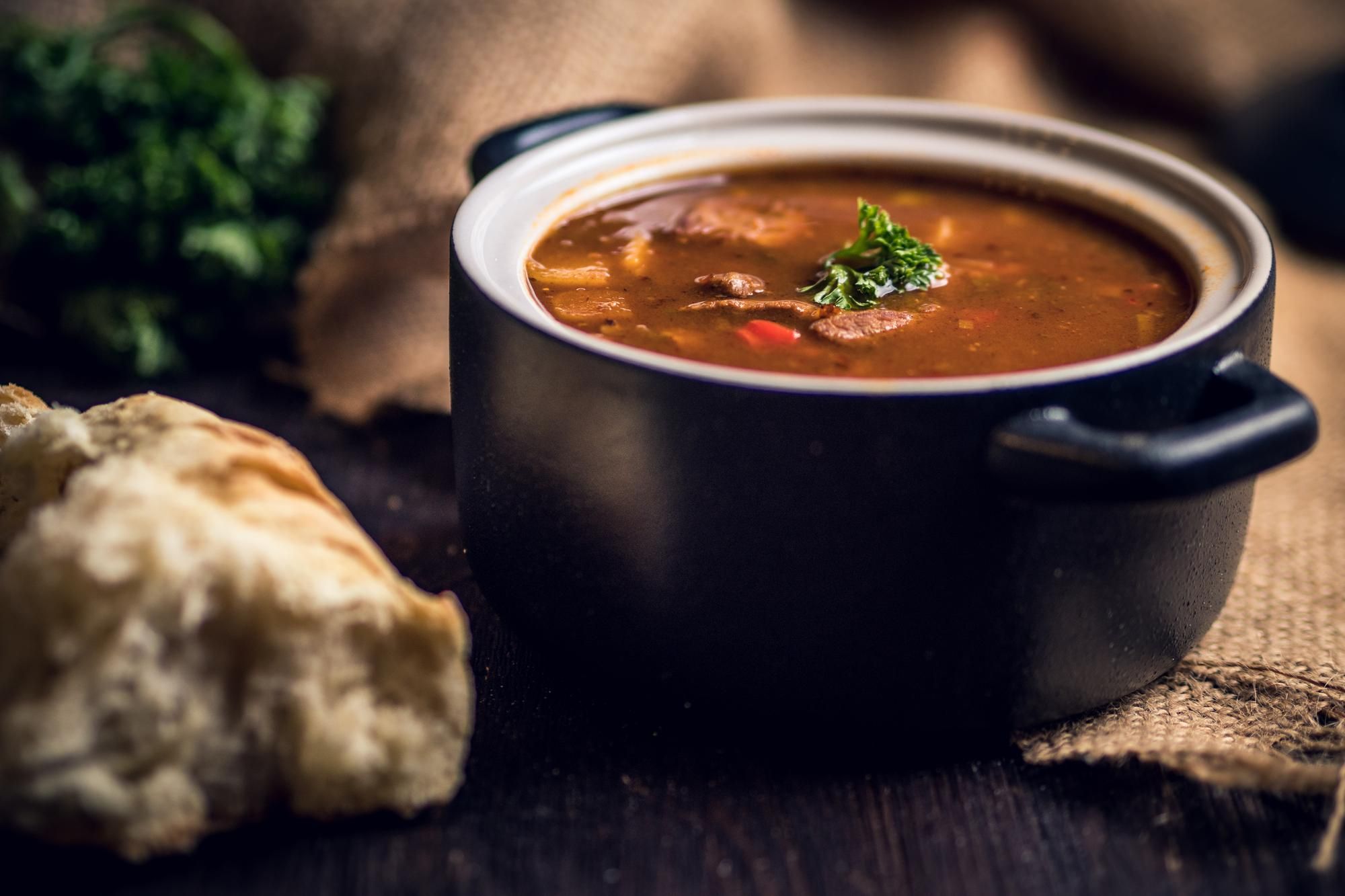
The season of the heavy pot As the light fades early and the temperature drops, the kitchen changes. The frantic energy of the warmer months—the grilling, the tossing of salads, the rush to keep white wine cold—gives way to something slower and more deliberate. Winter is the season of the heavy pot. It is the time when the oven becomes the heart of the home, not just an appliance.
For the host, this shift is a gift. Cold weather lowers the expectations for "performance" plating and raises the desire for comfort. Your guests do not want a delicate stack of chilled vegetables; they want to walk into a house that smells of rosemary, red wine, and slow-cooked onions. They want warmth, both from the room and from the plate.
The strategy of the braise The greatest mistake a host can make is to be chained to the stove when the conversation is flowing in the living room. This is why the braise is the ultimate social tool.
Unlike a steak or a risotto, which demand your attention at the critical moment of service, a braise improves with neglect. Whether it is short ribs falling off the bone, a deep mushroom bourguignon, or a lamb shoulder that has been collapsing into itself for four hours, these dishes are finished long before the first guest arrives. In fact, most taste better if they are made a day in advance, allowing the flavors to marry and deepen.
This approach liberates you. You are no longer a chef sweating over a timing chart; you are a host with a glass of wine in hand, simply waiting to lift a lid.
A center of gravity There is a profound difference between receiving a pre-plated dish and serving yourself from a communal vessel. Placing a large, steaming Dutch oven in the center of the table creates a center of gravity. It draws people in. It invites them to tear chunks of crusty bread to chase the sauce. It breaks down the formality that can sometimes stifle a dinner party.
Cast iron is practical, too—it acts as a thermal battery, keeping the food hot throughout a long, lingering meal, encouraging second helpings without the need to reheat.
Texture and contrast Because winter main courses are often rich and soft, the rest of the table needs to provide the counterpoint. You need brightness to cut through the depth.
The Acid: A sharp, bitter salad is non-negotiable. Think radicchio or endive dressed simply with lemon and good olive oil. It cleans the palate between bites of rich sauce.
The Crunch: Avoid soft sides like mashed potatoes if the main is already soft. Instead, roast root vegetables until they are caramelized and firm, or serve bread with a thick, darker crust.
The Finish: Skip the heavy chocolate dessert. After a meal this substantial, look to fruit—poached pears with star anise, or simply a bowl of clementines and dark chocolate squares.
The atmosphere Finally, remember that in winter, the environment matters as much as the ingredients. The lighting should be low; the candles should be lit before the sun fully sets. The goal is to create a cocoon against the cold outside. When the windows are fogged up and the wine is poured, the simplest stew can feel like a feast.
